Kenneth Fletcher
WC Monitor
2/14/2014
In an step towards starting D&D work at the Energy Technology Engineering Center in California, the Department of Energy last week released an amendment to its notice of intent to prepare an environmental impact statement for cleanup work at the site. DOE said it expects to issue a draft EIS in late 2014 and issue a final EIS in the fall of 2015. Last week’s notice updates an initial document from 2008. “DOE is proposing a revised scope for the EIS due to the 2010 Administrative Order on Consent (2010 AOC) that DOE and the California Department of Toxic Substances Control (DTSC) signed for soil cleanup, and due to information now available from site characterization,” the notice states.
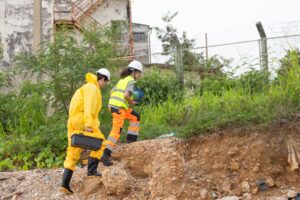
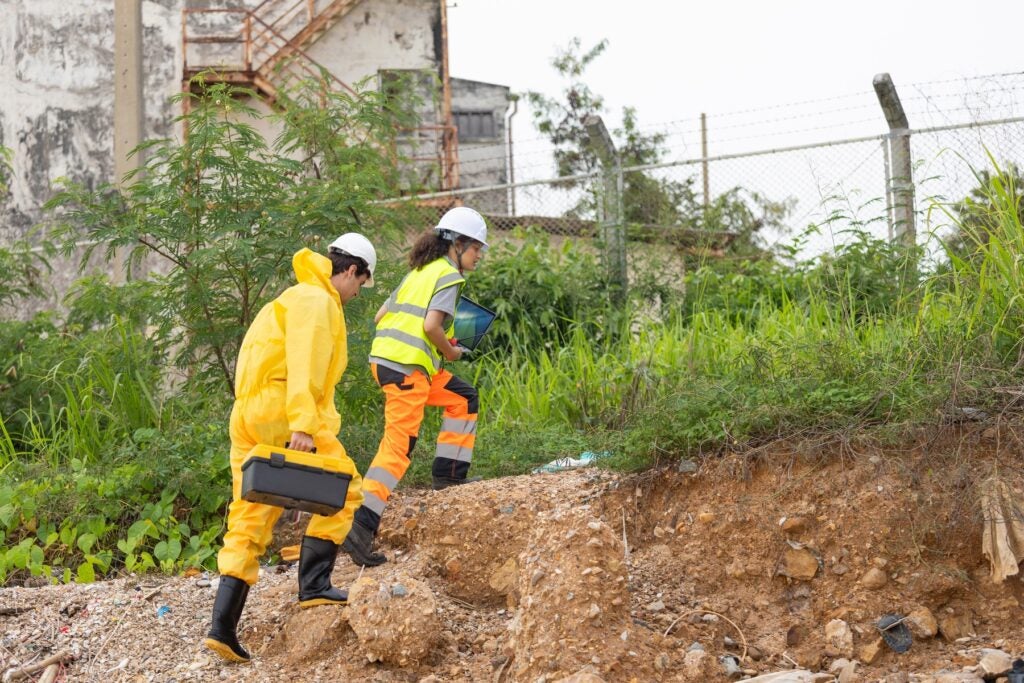
The Department released in January a final Request for Task Proposals for ETEC environmental monitoring and D&D work, with bids due Feb. 25 (WC Monitor, Vol. 25 No. 1). DOE has said it will not move forward with the remaining D&D activities and soil cleanup at the ETEC site until the final EIS completed. “D&D work will not take place until after the EIS is complete. The first year of the contract will focus on oversight and maintenance of DOE owned buildings in Area IV and groundwater monitoring in Area IV,” DOE spokesman Bill Taylor said this week in a written response.
A consent order with California calls for much of the remediation to be completed by 2017. “All contaminated structures would be removed for disposal; uncontaminated foundations and pads would be removed if necessary to facilitate soil sampling after the buildings have been removed,” the EIS notice states. “On-site storage of demo-lition debris would be limited to 30 days. The preferentialorder of treatment to meet the [Administrative Order on Consent] background standard by 2017 would be in-situ treatment, on-site treatment, and excavation.”
Cleanup Timeline Still Uncertain
But DOE says that it is still uncertain how long it will take after the completion of the EIS in 2015 to finish cleanup. “We need to see the results of our EIS and the California Department of Toxic Substances Control’s California Environmental Quality Act (CEQA) document before we can assess timelines for completion,” Taylor said. Environmental monitoring work at the site is currently performed by Boeing, which owns the broader Santa Susana Field Laboratory where ETEC is located, under a contract set to expire by Sept. 30, 2014. “At this time there is not any consideration of extending the Boeing contract,” Taylor said.